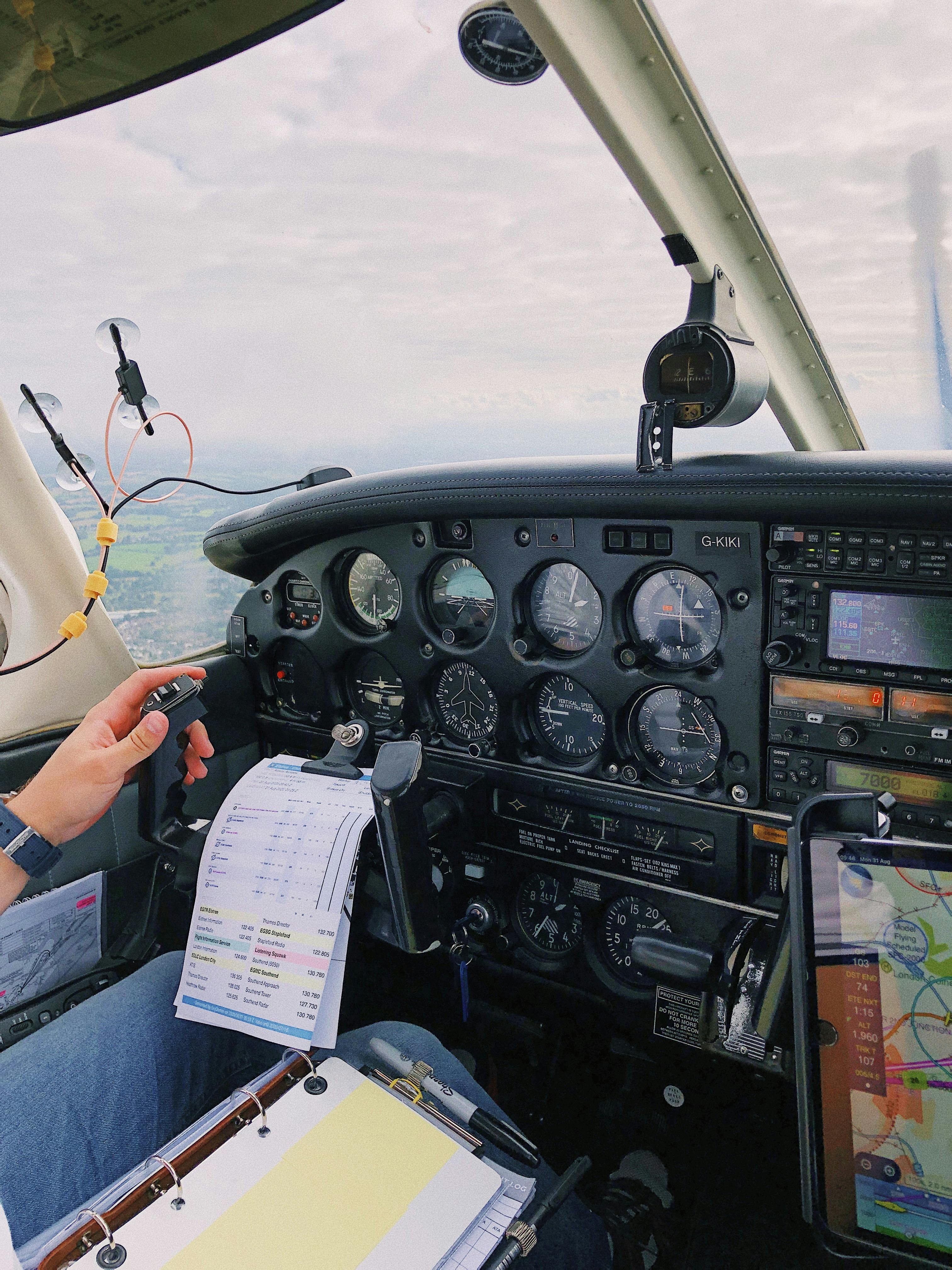
In discussions about satellite navigation security, the term "GPS interference" often dominates headlines, operational reports, and advisory documents. This terminology reflects the historical dominance of the Global Positioning System in civil and commercial applications. However, when it comes to actual interference in the radio frequency spectrum, the situation is more nuanced.
In aviation and other sectors, interference events linked to spoofing and jamming have increased dramatically over the last several years. This trend has prompted regulators, industry associations, and navigation security specialists to reframe the problem as broader Global Navigation Satellite System interference, rather than an isolated, targeted issue for a single constellation.
Why GPS is Often Named First
GPS remains the most frequently mentioned constellation in public and operational documentation primarily because it is the largest deployed civil system and the default reference framework for many receivers around the world. Pilots and safety reports often use "GPS" as a shorthand when describing navigation signal anomalies. This can lead to the perception that interference attacks are specifically targeting GPS.
Although many modern receivers are multi-constellation capable, meaning they can simultaneously track signals from multiple satellite navigation systems, aviation has stagnated in implementing multi-constellation reception, with many receivers still only supporting GPS, and only some supporting GPS and Galileo.
When interference impacts common civil GNSS frequency bands, it affects more than just GPS. In other words, an interferer that transmits noise or fabricated signals in the shared spectrum can disrupt not only GPS, but also Galileo, GLONASS, and BeiDou signals at the same time.
GNSS Interference Is Fundamentally About the Spectrum
From a technical perspective, interference affects signal reception at the frequency level, not at the constellation label level. Civil GNSS signals such as GPS L1 and Galileo E1 occupy adjacent or overlapping parts of the L1/E1 band. A jammer or spoofing signal that targets the L1/E1 band will typically degrade the ability of a receiver to make use of all constellations operating in that band.
Regulatory and industry guidance documents increasingly emphasize this point by referring to "GNSS interference". This terminology covers both jamming, where noise overwhelms the receiver front end, and spoofing, where false signals are designed to mislead the receiver's navigation solution.
Putting It All Together
So, is GPS the most targeted constellation for spoofing and jamming? No. Does aviation technology largely only support GPS up until now? Yes.
Understanding the distinction matters for how systems are designed, how operators interpret navigation anomalies, and how safety and security practitioners allocate resources to protect critical infrastructure and ensure resilience in contested environments.
References & Sources
Regulatory Guidance
- IATA and EASA joint GNSS interference mitigation plan (June 18, 2025)
https://www.iata.org/en/pressroom/2025-releases/2025-06-18-01/ - EASA press release on GNSS interference mitigation plan
https://www.easa.europa.eu/en/newsroom-and-events/press-releases/easa-and-iata-outline-comprehensive-plan-mitigate-gnss - IATA Safety Risk Assessment on GNSS interference (PDF)
https://ic.iata.org/sites/default/files/iata_sih_document_attachment/IATA%20Safety%20Risk%20Assessment%20-%20GNSS%20Interference%20V5.pdf
Operational and Incident Data
- OPSGROUP GPS Spoofing Final Report (September 6, 2024)
https://ops.group/blog/gps-spoofing-final-report/ - OPSGROUP Full PDF GPS Spoofing Final Report
https://ops.group/dashboard/wp-content/uploads/2024/09/GPS-Spoofing-Final-Report-OPSGROUP-WG-OG24.pdf - Irish Aviation Authority Advisory on GNSS spoofing (ASAM 50)
https://www.iaa.ie/docs/default-source/publications/advisory-memoranda/aeronautical-services-advisory-memoranda-%28asam%29/asam-50-issue-1.pdf
Supporting Reporting and Analysis
- OpsGroup workgroup background on GPS spoofing trend
https://ops.group/blog/gps-spoofing-workgroup/ - OpsGroup reports ~400 percent rise in spoofing incidents
https://ops.group/blog/400-increase-in-gps-spoofing-workgroup-established/ - Halldale article on 220% surge in GPS signal loss events
https://www.halldale.com/events-news-hub/gps-signal-loss-events-surge-220-as-apats-2025-tackles-aviations-invisible-threat - Joint strategy details on GPS/GNSS interference risks
https://www.gpsworld.com/iata-and-easa-release-joint-strategy-to-counter-gnss-interference-risks/